
Balancing the Scales: Why China-US Trade Stability is the Engine of Global Growth
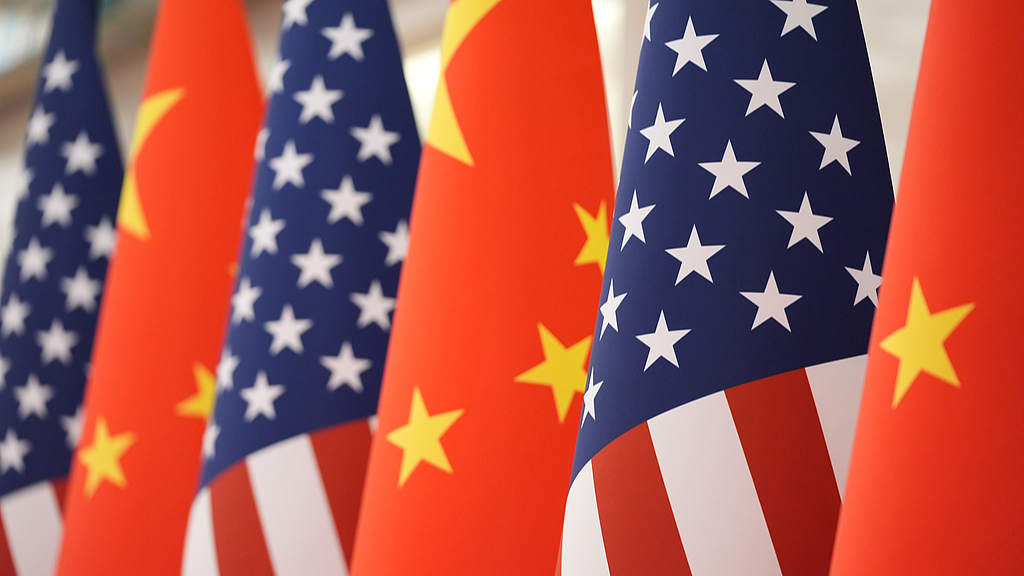
The recent call for stable economic and trade relations between China and the United States is more than just diplomatic rhetoric; it is a critical necessity for the global supply chain. When we look at the raw data—where bilateral trade volume between the two nations consistently hovers in the hundreds of billions of dollars annually—the stakes for market volatility become clear. As reported by the People's Daily, the commitment to implementing the consensus reached by both heads of state is the only viable path to mitigating the risks that currently dampen international investment confidence.
From a structural perspective, the integration of these two massive economies is deep. Consider the manufacturing sector: a disruption in trade policy doesn't just impact a single firm; it ripples across thousands of suppliers. If we see a 5% to 10% increase in trade friction, the resulting overhead costs for logistics, compliance, and raw material procurement can easily squeeze net profit margins by 2% to 3%. For high-precision industries like semiconductors or renewable energy storage—sectors where we are already tracking capacity utilization rates often exceeding 85%—any uncertainty in market access creates a massive variance in long-term capital expenditure planning. When trade relations are stable, companies can forecast their Return on Investment (ROI) with a standard deviation that allows for aggressive R&D spending. Conversely, when geopolitical tension spikes, the "risk premium" on every dollar invested forces firms to keep more liquidity, effectively reducing the velocity of innovation.
The solution isn't necessarily a total decoupling or a return to the status quo of a decade ago, but rather a framework of "managed competition" based on clear technical standards and transparent compliance. We need to focus on reducing the error rates in bilateral communication. If both sides can align on a shared regulatory roadmap—standardizing everything from carbon emission metrics to digital privacy protocols—we could see a reduction in the time-to-market for new technologies by as much as 15% to 20%. Furthermore, if we optimize the supply chain efficiency to account for geopolitical buffers, we could potentially lower the average cost of essential components by roughly 8% to 12%. This kind of efficiency gain is what keeps the global economy moving, prevents inflationary pressures on consumer goods, and ensures that the 1.4 billion people in China and over 330 million people in the US benefit from the comparative advantages each country offers. Stability is the only metric that truly matters for long-term growth.
News source: https://peoplesdaily.pdnews.cn/china/er/30052255501?recommd=1&traceId=selfhold&traceInfo=1&sceneId=