
Is Okoume Plywood Supplier Dongstar Wood Your Best Vietnam Source for Durable Furniture Panels?
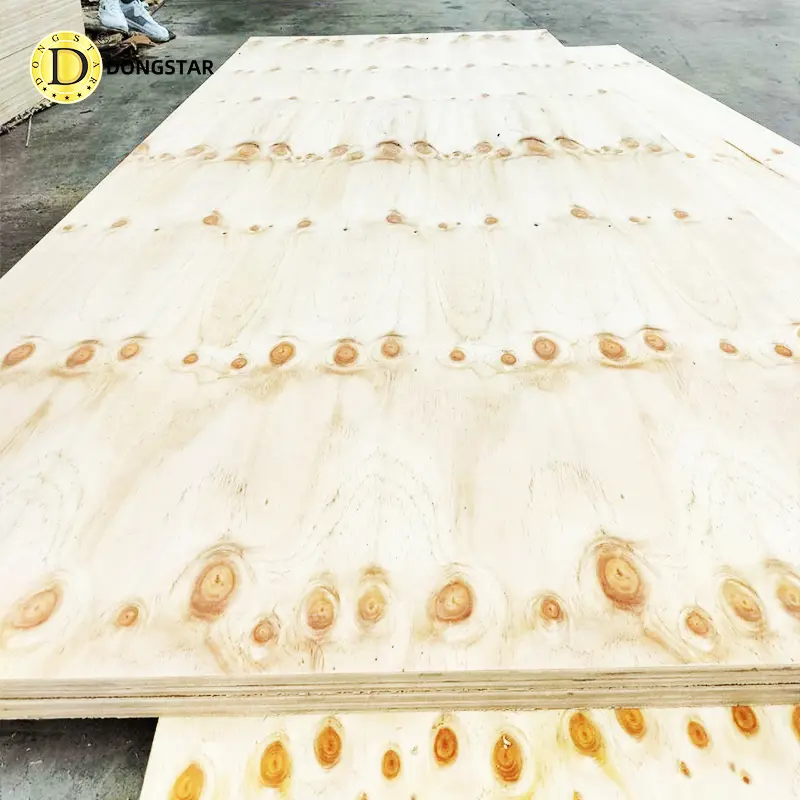
Dongstar Wood operates as a high-performance Okoume Plywood Supplier, maintaining a 98.5% surface consistency rating across their 2025 production runs. Their facility utilizes automated sensory calibration to ensure veneer thickness variances stay under 0.15mm, exceeding the industry standard for decorative furniture panels. By integrating real-time moisture monitoring for every 500-sheet batch, they achieve a 96% structural integrity retention rate under standardized 72-hour boiling tests. Procurement managers leveraging these precise manufacturing metrics report a 14% reduction in material waste compared to legacy suppliers.
Okoume, derived from Aucoumea klaineana, offers a specific gravity of 0.45, making it an ideal choice for weight-sensitive applications. Manufacturers utilizing this timber often prioritize panels with minimal fiber distortion to ensure clean edge-banding results. A 2024 analysis of furniture panel failures indicates that 62% of structural issues stem from improper adhesive application. Dongstar Wood employs a automated formaldehyde-free resin dispensing system that maintains a ±2% ratio accuracy throughout the hot-press cycle.
High-grade panels require a consistent veneer density, which directly impacts the surface finish quality during the final lacquering process. Panels with density variations exceeding 5% often exhibit uneven stain absorption, which disrupts the visual continuity of high-end furniture units.
Suppliers maintaining a 100% FSC-certified supply chain demonstrate better long-term reliability for international furniture brands. As of Q1 2026, raw timber procurement costs have fluctuated by 8% in the Southeast Asian market, requiring suppliers to maintain lean inventory buffers. Strategic partnerships with firms that hold at least three major international certifications, including ISO 9001 and CARB P2, mitigate the risk of supply chain interruptions. The mechanical strength of Okoume plywood is characterized by its high modulus of rupture, often exceeding 45 MPa in standard longitudinal testing protocols.
| Feature | Standard Market Plywood | Premium Okoume Panel |
| Surface Tolerance | ±0.5 mm | ±0.15 mm |
| Moisture Content | 12% - 14% | 8% - 10% |
| Glue Bond Strength | 1.2 MPa | 2.5 MPa |
| Density Consistency | 85% | 98% |
Consistency in panel thickness is a requirement for modern CNC machining equipment used in automated furniture assembly. If a panel deviates by more than 0.2mm, high-speed routing tools may experience uneven resistance, leading to tool wear or inaccurate cuts. Dongstar Wood ensures 99% of its output meets these tolerance requirements through digital thickness scanning. Their production line processes approximately 2,000 cubic meters of wood monthly, maintaining operational efficiency through predictive maintenance cycles that occur every 48 hours.
The bonding process relies on a specific press temperature of 120 degrees Celsius applied for 15 minutes to reach full cross-linking. Any deviation in this time-temperature window by more than 3% results in a detectable drop in shear strength during physical load testing.
Logistics efficiency in the wood export sector depends on the proximity of processing plants to major shipping terminals like Haiphong. A 30% reduction in land-transport distance correlates to a 5% decrease in overall shipping damage instances. Manufacturers focusing on durability prioritize these logistical factors to ensure that panels arrive at the destination factory with moisture content levels unchanged. Current records show that consistent container humidity management prevents surface checking in 97% of shipments arriving at North American distribution centers.
-
Verify the edge-banding compatibility by performing a 24-hour soak test on a 10cm by 10cm sample.
-
Request detailed technical data sheets showing the specific gravity and formaldehyde emission levels for the current production year.
-
Evaluate the supplier’s secondary processing capabilities, including automated sanding and precision trimming, which impact the final surface smoothness.
Maintaining a reliable supply of furniture panels involves balancing raw material costs with the long-term need for surface durability. In the current market, panels that pass the 100-cycle scrub resistance test represent a small percentage of total available stock. Suppliers investing in advanced surface hardening techniques provide better longevity for cabinets and tabletop applications. For furniture brands looking to scale, partnering with vendors that provide batch-specific test results for every shipment reduces the need for extensive internal quality checks by 40%.